Building Green, Actually.

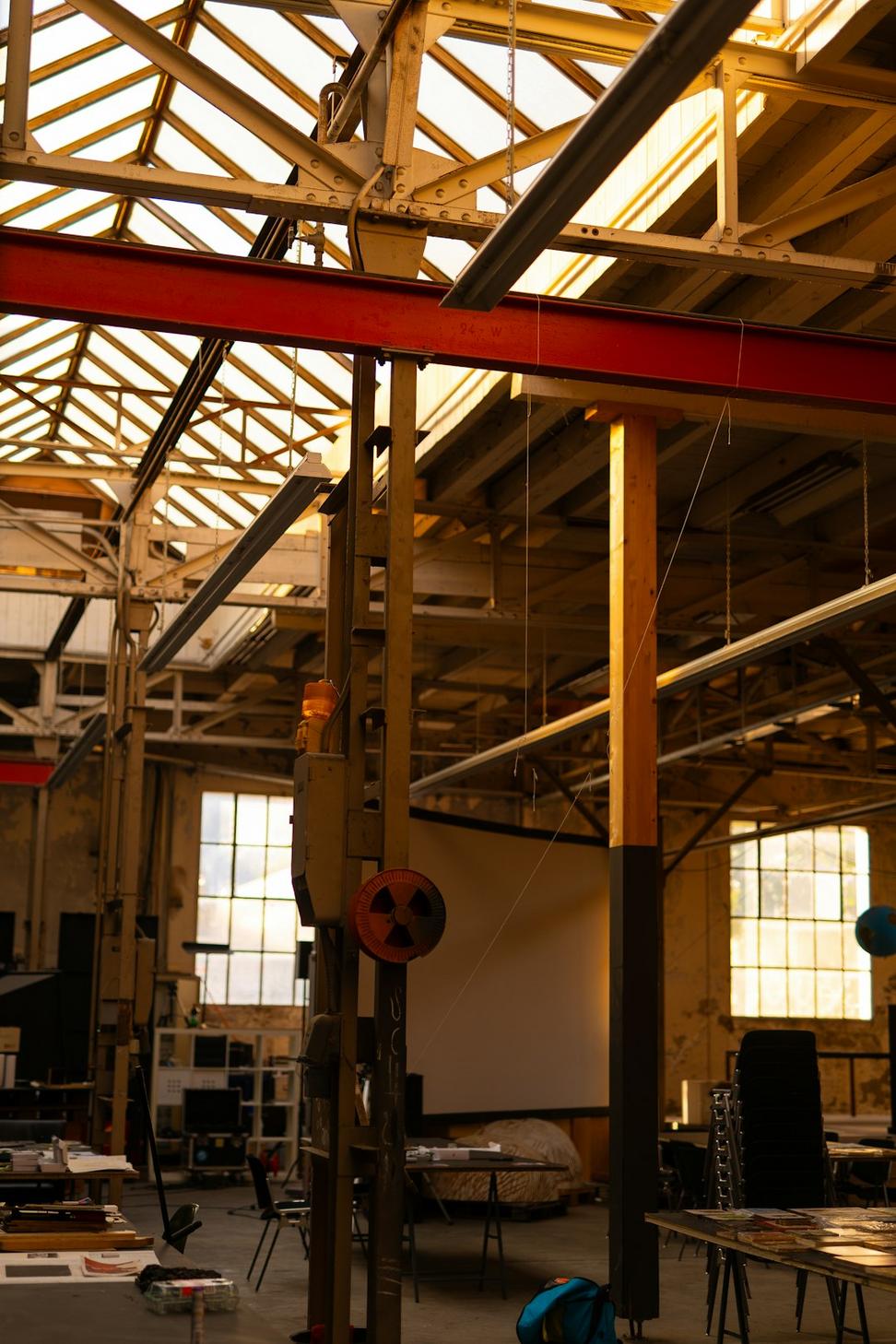
Look, we're not gonna pretend that slapping some solar panels on a roof makes everything perfect. Real sustainability? It's messy, complicated, and honestly, it takes guts to do it right. But someone's gotta turn these old industrial relics into energy-efficient workspaces that don't wreck the planet.

Our Certifications

  • LEED Accredited Professional
  • Passive House Designer
  • Green Building Council Member
  • Heritage Conservation Certified
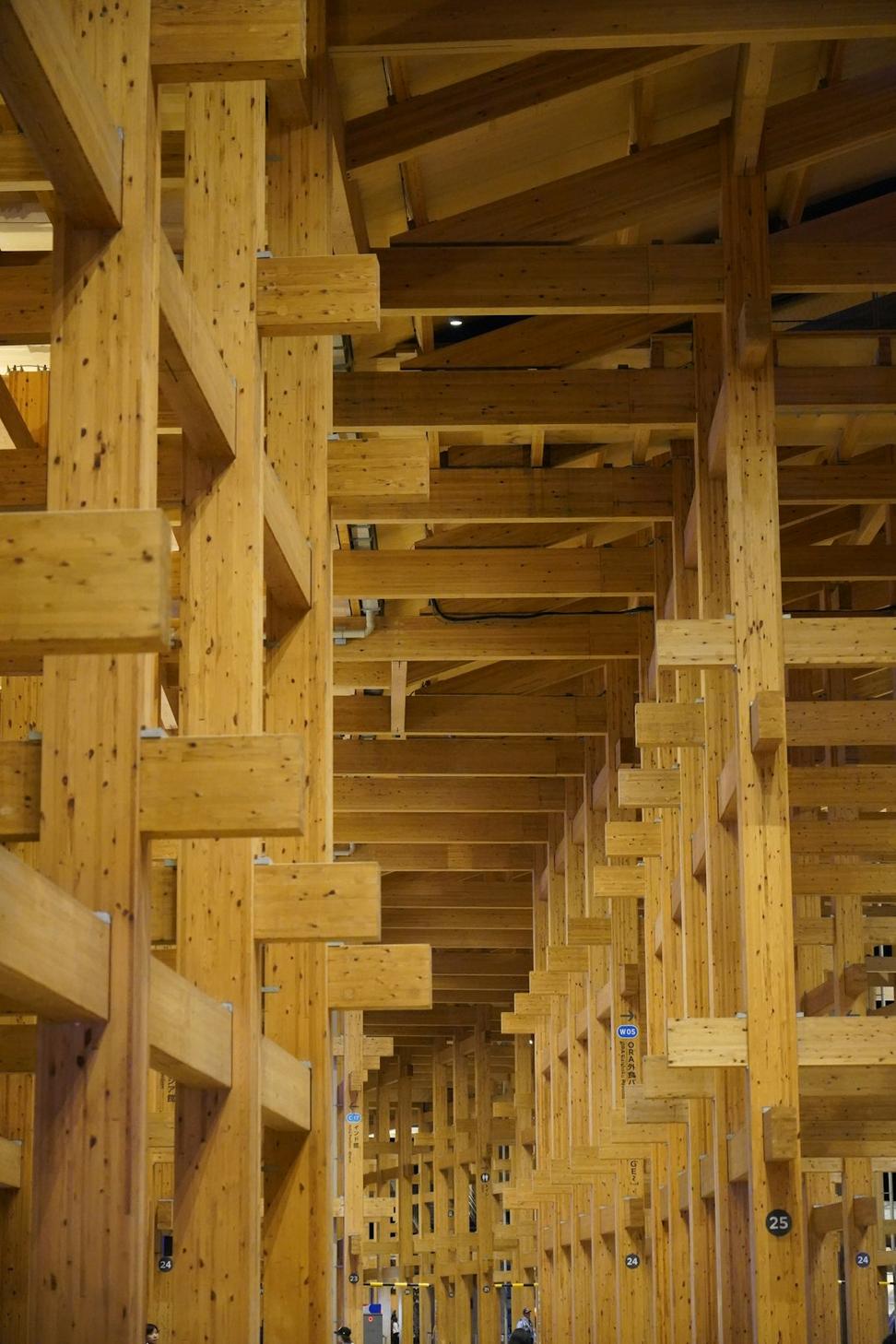
Sustainable architecture approach

Why We're Actually Doing This

Started out restoring old warehouses back in 2012, and quickly realized something - the greenest building is the one that's already standing. Yeah, I know that sounds like something you'd read on a coffee shop chalkboard, but it's true.

Every time we saved an old brick factory from the wrecking ball, we weren't just preserving history. We were keeping thousands of tons of embodied carbon right where it belonged - in those walls, not in a landfill.

Now don't get me wrong, we're not preservationists who refuse to touch anything. Sometimes you gotta gut a space, upgrade the systems, make it work for modern life. The trick is doing it without pretending you're saving the world when you're really just greenwashing.
87%

Avg. Carbon Saved vs New Build

42

Heritage Buildings Restored

18

LEED Certified Projects

The Numbers Don't Lie

Here's what we've actually accomplished - no fluff, just data

3.2M kWh

Annual Energy Savings Across Portfolio

18,500 m³

Water Conserved Annually

4,800 tons

CO2 Offset Equivalent

92%

Construction Waste Diverted

Energy Performance Over Time

Energy performance data

Tracking energy consumption across our restored industrial buildings shows consistent improvements year-over-year. The 2023 spike? That was us adding three new projects to the portfolio.

Material Reuse & Salvage

Material reuse statistics

We've salvaged original timber beams, brick, steel frames, and fixtures from demolition. It's not always pretty work, but keeping this stuff out of landfills while maintaining character? That's the whole point.

Real Projects, Real Impact

Case studies from buildings we've actually worked on

Powell Street Ironworks
LEED Gold

Powell Street Ironworks

1920s steel foundry that sat empty for 15 years. Everyone wanted to tear it down and build condos - shocking, right? We convinced the developers to keep the shell and convert it into mixed-use commercial space.

  • 68% energy reduction from baseline
  • Original steel trusses fully restored
  • Geothermal heating/cooling system
  • Rainwater harvesting for toilets
  • 3,200 tons embodied carbon saved

Granville Textile Mill

This one was tough. Built in 1898, the building had good bones but decades of neglect. Asbestos, lead paint, deteriorating masonry - the works. Took us 18 months just for the remediation before we could even start the fun stuff.

  • Net-zero energy consumption achieved
  • 850 original windows refurbished
  • Solar array on reconstructed roof
  • Heritage character fully maintained
  • 95% construction waste diverted
Granville Textile Mill
Net-Zero
False Creek Brewery
LEED Platinum

False Creek Brewery Adaptive Reuse

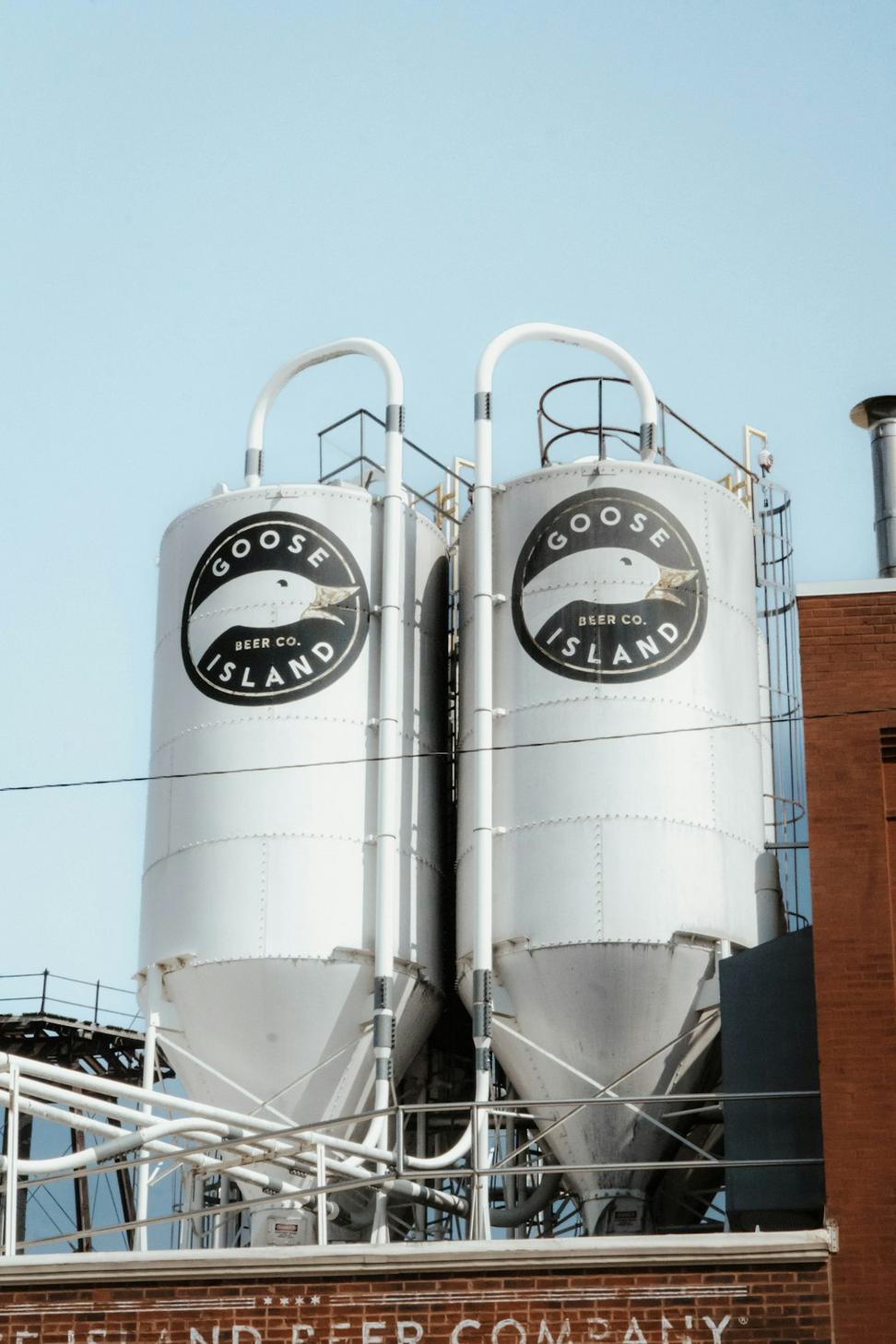
Former brewery from the 1950s - massive concrete structure with killer water views. Client wanted office space that didn't feel corporate. We kept the industrial vibe while making it seriously energy-efficient. The original fermentation tanks? Yeah, we turned those into meeting pods.

  • 82% less water usage than typical office
  • Passive ventilation design
  • Living green walls for air quality
  • 100% LED lighting with sensors
  • Bike storage for 120 employees

How We Actually Work

No BS methodology - just what works from experience

Start With What's There

First rule - don't demolish what you can save. Sounds obvious but you'd be surprised how many architects skip this step. We do a full assessment of structural integrity, materials worth keeping, and what actually needs to go.

Run the Real Numbers

Life cycle assessment, embodied carbon calculations, energy modeling - yeah, it's tedious as hell but it's the only way to know if you're actually being sustainable or just slapping green labels on things.

Material Honesty

We source locally when possible, use reclaimed materials that make sense, and aren't afraid to spec modern high-performance stuff when it's the right call. It's about doing what works, not following some rigid ideology.

Track & Verify

Post-occupancy monitoring isn't optional for us. We come back, measure actual performance, and learn from what worked and what didn't. That's how you get better instead of just repeating the same mistakes with different buildings.

Certifications We Chase (And Why)

LEED Certification

LEED Certification

Yeah, LEED has its critics and honestly some of them have valid points. But it's still the most recognized green building standard out there, and clients understand it. We've gotten Gold or Platinum on most of our projects.

Projects Certified: 18

Passive House

Passive House Design

This one's hardcore - ultra-tight building envelope, crazy good insulation, heat recovery ventilation. It's expensive upfront but the energy savings are legit. Not right for every heritage project but when it works, it really works.

Certified Projects: 5

Heritage Conservation

Heritage Conservation

Can't do adaptive reuse without understanding heritage conservation. We work with local preservation boards, follow the Standards and Guidelines, and actually respect the buildings we're working on - even when it makes our job harder.

Designated Projects: 28

Got a Building That Deserves Better?

If you've got an old industrial building that everyone says should be demolished, or you're just tired of architects who talk about sustainability but don't walk the walk - let's talk. We'll shoot straight with you about what's possible and what's not.